
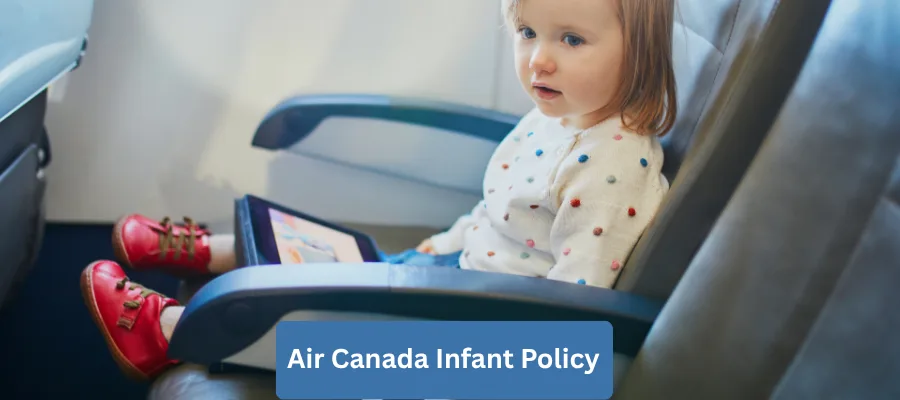
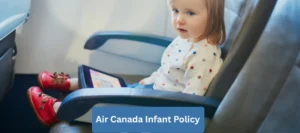
Traveling with a baby can be a smooth and enjoyable experience when you understand the Air Canada Infant Policy before your journey. Whether you’re flying within Canada, traveling to the United States, or taking an international trip, Air Canada offers several travel options for infants under two years of age, including lap infant travel and purchasing a separate seat with an approved child restraint system. The airline also provides family-friendly services such as priority boarding, bassinets on select aircraft, stroller allowances, and family seating. This comprehensive guide explains Air Canada’s infant travel rules, booking process, baggage allowance, fees, bassinet availability, travel documents, and practical tips to help parents prepare for a comfortable and stress-free flight. Information is based on Air Canada’s published infant travel guidelines.
What Is the Air Canada Infant Policy?
The Air Canada Infant Policy outlines the rules for passengers traveling with children under the age of two.
Parents may choose to:
- Carry the infant on their lap.
- Purchase a separate seat for the infant.
- Use an approved child restraint device when a separate seat is purchased.
Air Canada recommends using an approved child restraint system whenever possible because it provides the safest travel option for young children.
Who Qualifies as an Infant?
Air Canada considers an infant to be a child who is under two years of age on the date of travel.
Once a child reaches their second birthday, they generally require:
- Their own seat
- A child fare
- Standard passenger booking requirements
Special fare rules may apply if an infant turns two during an international round trip.
Does Air Canada Allow Lap Infants?
Yes.
Infants under two years old may travel on the lap of an accompanying adult.
Important rules include:
- One lap infant per adult.
- The accompanying passenger must meet Air Canada’s age requirements.
- The infant must be held during taxi, takeoff, landing, and turbulence unless secured in an approved child restraint device.
Can an Infant Have Their Own Seat?
Yes.
Parents may purchase a separate seat for an infant.
If choosing this option:
- An approved child restraint device is required.
- The restraint must meet aviation safety standards.
- The device must fit safely within the assigned seat.
Many parents prefer this option for longer flights because it provides additional comfort and safety.
Air Canada Infant Fare Policy
Infant fares vary depending on the route.
Within Canada and Between Canada and the United States
Generally:
- Lap infants travel without a base fare, although applicable taxes and fees may apply in certain cases.
International Flights
For international travel:
- A lap infant typically pays approximately 10% of the applicable adult fare plus applicable taxes and fees.
- Infants traveling in their own seat pay the applicable child fare.
How to Book an Infant on Air Canada
Booking an infant is simple.
You can:
- Add the infant during the booking process.
- Contact Air Canada Reservations.
- Update an existing reservation before departure.
Information typically required includes:
- Infant’s full name
- Date of birth
- Travel option (lap infant or own seat)
Always ensure the infant is included on the reservation before arriving at the airport.
Air Canada Infant Seating Options
Parents generally have two seating choices.
Lap Infant
The infant:
- Travels on an adult’s lap
- Does not occupy a separate seat
- Must follow airline safety instructions
Infant in Own Seat
If purchasing a seat:
- An approved child restraint system must be used.
- The restraint must be installed correctly.
- Airline staff may verify the device before departure.
Air Canada Bassinet Service
Air Canada offers bassinets on select aircraft operating eligible long-haul routes.
Bassinets are generally available for infants who:
- Meet the airline’s size and weight limits
- Cannot sit upright independently
- Meet the published eligibility requirements
Availability depends on:
- Aircraft type
- Bulkhead seating
- Space availability
Requests should be made as early as possible because bassinets are limited.
How to Request a Bassinet
Parents can request a bassinet by:
- Booking their flight.
- Contacting Air Canada.
- Requesting bulkhead seating.
- Confirming availability before departure.
Even after requesting one, bassinets remain subject to operational availability.
Family Seating Policy
Air Canada aims to seat children close to their accompanying parent or guardian whenever possible.
Families traveling with young children generally receive assistance with seating arrangements to keep parents and children together.
Priority Boarding for Families
Passengers traveling with infants are often invited to board earlier.
Priority boarding helps families:
- Install child restraint systems.
- Store baby items.
- Settle infants before general boarding begins.
Listen carefully for family boarding announcements at the departure gate.
Carry-On Allowance for Infants
Parents traveling with a lap infant may bring additional infant essentials.
These commonly include:
- Baby food
- Formula
- Diapers
- Bottles
- Necessary infant supplies
Air Canada also allows an additional carry-on article for a lap infant’s belongings.
Stroller Policy
Parents may travel with a stroller for their infant.
Depending on the stroller size:
- It may be checked at the airport.
- It may be gate-checked.
- It may travel as checked baggage.
Many parents prefer gate-checking because it allows stroller use throughout the airport.
Car Seats and Child Restraint Devices
When purchasing a seat for an infant, parents should use an approved child restraint system.
The restraint should:
- Meet safety certification standards.
- Be suitable for aircraft use.
- Fit securely within the aircraft seat.
- Be appropriate for the child’s weight and height.
Always review the airline’s approved device requirements before travel.
Infant Baggage Allowance
Baggage allowances may vary depending on:
- Destination
- Fare purchased
- Infant travel type
- Booking conditions
For international travel, infants may receive baggage allowances according to applicable fare rules.
Parents should review their booking confirmation for specific baggage details.
Food and Formula During the Flight
Parents may bring essential infant food items, including:
- Baby formula
- Breast milk
- Baby food
- Bottled water for infant feeding (subject to airport security screening rules)
Pack enough supplies to cover possible delays.
Traveling with Breast Milk
Parents carrying breast milk should:
- Store it properly.
- Use insulated containers when appropriate.
- Follow airport security screening procedures.
Most airports permit medically necessary liquids for infants, although screening requirements still apply.
Infant Travel Documents
Documentation requirements depend on the destination.
Parents may need:
- Passport
- Birth certificate
- Visa (if required)
- Entry permits
- Health documentation for certain destinations
International travelers should verify destination requirements well before departure.
International Travel with an Infant
Flying internationally requires additional preparation.
Parents should confirm:
- Passport validity
- Entry requirements
- Visa regulations
- Customs documentation
- Vaccination requirements if applicable
Different countries maintain different entry rules for infants.
Traveling with Twins or Multiple Infants
Canadian aviation regulations generally allow only one lap infant per accompanying adult.
Families traveling with twins or multiple infants should ensure that each infant has an eligible accompanying adult or purchase additional seats as required.
Medical Considerations
Parents should consult a pediatrician before flying if the infant:
- Was born prematurely
- Has respiratory concerns
- Recently experienced illness
- Has ongoing medical conditions
Medical clearance may be advisable for some infants.
Airport Check-In with an Infant
Families should arrive early to allow time for:
- Document verification
- Stroller processing
- Baggage check
- Child restraint inspection
- Security screening
Additional processing time often makes the airport experience less stressful.
Security Screening Tips
During airport screening:
- Remove the infant from the stroller when instructed.
- Fold the stroller if required.
- Place baby items through security scanners.
- Follow security personnel instructions.
Allow extra time during busy travel periods.
Preparing Your Infant for the Flight
Before departure:
- Feed your baby before boarding if appropriate.
- Pack extra diapers.
- Bring additional clothing.
- Carry comfort toys or blankets.
- Include medications if needed.
- Keep feeding supplies easily accessible.
Preparation helps minimize stress throughout the journey.
Tips for Flying with an Infant on Air Canada
To make your trip more comfortable:
- Book early for better seat availability.
- Request bassinets well in advance.
- Arrive at the airport early.
- Keep important documents handy.
- Pack more supplies than you expect to need.
- Dress your infant comfortably.
- Bring familiar toys and blankets.
- Feed your baby during takeoff and landing to help reduce ear pressure.
- Keep medications in your carry-on bag.
- Confirm all travel documents before departure.
Common Reasons Infant Travel May Be Delayed
Travel complications may occur if:
- Required documents are missing.
- The infant is not added to the reservation.
- Child restraint devices are not approved.
- International entry requirements are incomplete.
- Bassinet requests exceed available capacity.
Planning ahead helps avoid these issues.
Important Infant Travel Rules
Keep these important guidelines in mind:
- Infants under two may travel as lap infants or in their own purchased seat.
- One lap infant is permitted per accompanying adult.
- Approved child restraint systems are required when an infant occupies a purchased seat.
- Bassinets are available only on select aircraft and routes, subject to availability.
- Families are encouraged to request seating together.
- Additional infant carry-on items are permitted.
- Travel documentation varies by destination.
- International infant fares differ from domestic fares.
- Early booking improves bassinet and family seating availability.
Benefits of Understanding the Air Canada Infant Policy
Knowing the policy before you travel helps you:
- Choose the most suitable seating option.
- Prepare the correct travel documents.
- Understand baggage allowances.
- Reserve bassinets early.
- Avoid airport delays.
- Improve your infant’s comfort.
- Travel with greater confidence.
- Make international trips easier to manage.
Final Thoughts
The Air Canada Infant Policy is designed to make family travel more convenient while maintaining high safety standards for young passengers. Whether your baby travels as a lap infant or in a purchased seat with an approved child restraint system, understanding the airline’s booking rules, fare structure, bassinet availability, baggage allowances, and documentation requirements can help ensure a smooth journey. By planning ahead, requesting family-friendly services early, and carrying all essential baby supplies and travel documents, parents can enjoy a safer and more comfortable travel experience on Air Canada flights.
Air Canada Infant Policy FAQs
Does Air Canada Charge for Lap Infants?
Lap infant fees vary by route, destination, and whether the flight is domestic or international.
Can an Infant Sit on a Parent’s Lap on Air Canada?
Yes, infants under 2 years can travel on a parent’s lap during eligible Air Canada flights.
Does Air Canada Require a Separate Seat for Infants?
No, but parents may purchase a separate seat and use an approved child restraint device.
What Is the Minimum Age for Infants to Fly on Air Canada?
Air Canada generally allows healthy newborns to travel after the first week of life.
Can I Bring a Stroller Under the Air Canada Infant Policy?
Yes, Air Canada allows strollers and certain infant items free of charge.
Does Air Canada Allow Car Seats for Infants?
Yes, approved child car seats can be used when an infant has a purchased seat.
What Documents Are Required for an Infant on Air Canada?
Proof of age, such as a birth certificate or passport, may be required during travel.
Can Infants Earn Aeroplan Points on Air Canada Flights?
Generally, lap infants are not eligible to earn Aeroplan points without a purchased seat.
Does Air Canada Provide Bassinets for Infants?
Yes, bassinets may be available on select aircraft for eligible infants and routes.
Can I Add an Infant to an Existing Air Canada Booking?
Yes, parents can add an infant by contacting Air Canada before departure.
What Is the Air Canada Infant Baggage Allowance?
Infants may receive baggage allowances depending on fare type and destination.
Can Two Infants Travel With One Adult on Air Canada?
Usually, one lap infant is permitted per adult, with additional seating required for another infant.
Does Air Canada Allow Baby Food and Formula Onboard?
Yes, baby food, milk, and formula are generally permitted in reasonable quantities.
How Do I Book an Infant Ticket on Air Canada?
You can add an infant during booking online or by contacting Air Canada customer support.
|

|
|
|
|
|

|

|
|
|
|
|